
Dating should feel exciting, but it should also feel safe, steady, and respectful. Whether you are meeting someone new online, returning to dating after a long break, or looking for a more serious relationship, boundaries in dating help you understand what you need and communicate it clearly.
Healthy boundaries are not about pushing people away. They are about showing someone how to love, respect, and approach you in a way that feels good for both of you. When boundaries are clear, dating becomes less confusing. You spend less time guessing, overexplaining, or accepting behavior that does not sit right with you.
For mature singles, especially those who know what they want from love and companionship, boundaries can be a powerful filter. They help you recognize who is genuinely interested in you, who respects your pace, and who is only interested when things happen on their terms.
What Are Boundaries in Dating?
Boundaries in dating are the limits and expectations you set around your time, body, emotions, privacy, communication, and relationship goals.
They can sound like:
- “I prefer to talk on the app a little before sharing my phone number.”
- “I do not want to be rushed into intimacy.”
- “I need honest communication if you are dating other people.”
- “I am not comfortable being contacted late at night.”
- “I want to move slowly and get to know each other first.”
These statements are not rude. They are clear. The right person may not agree with every preference, but they will respect your right to have one.
Why Boundaries Matter in Dating
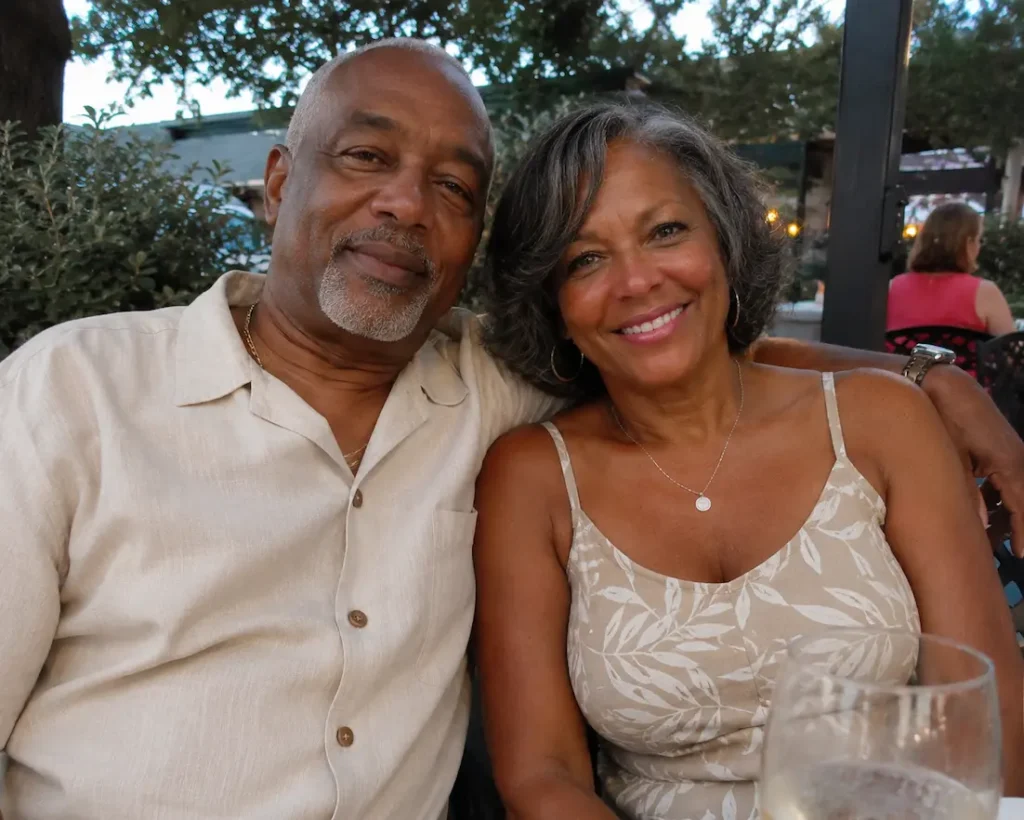
Dating today can move quickly. A person may want your number after one message, ask personal questions too soon, or act offended when you do not respond immediately. Without boundaries, it is easy to feel pressured into a rhythm that does not match your comfort level.
Boundaries help you:
- Protect your emotional peace
- Notice red flags early
- Date at a pace that feels right
- Avoid relationships built on pressure or guilt
- Communicate your needs before resentment builds
- Make room for genuine connection
Strong boundaries are especially important in online dating, where people may form quick assumptions before they have earned real trust. A respectful match will understand that access to your time, attention, home, body, and private life is something built gradually.
Common Types of Dating Boundaries
1. Communication Boundaries
Communication boundaries define how and when you like to stay in touch.
You might prefer not to text all day. You may not want video calls before you feel comfortable. You may need someone to understand that work, family, rest, and personal time still matter when you are dating.
Examples:
- “I enjoy hearing from you, but I am not always available to reply right away.”
- “I do not answer calls late at night unless we have planned it.”
- “I would rather have meaningful conversations than constant check-ins.”
A healthy match will not punish you for having a life outside the conversation.
2. Physical Boundaries
Physical boundaries are about touch, affection, intimacy, and personal space. You never owe anyone physical access because they bought dinner, complimented you, or said they are attracted to you.
Examples:
- “I am not ready to kiss yet.”
- “I like affection, but I want to take things slowly.”
- “Please ask before touching me like that.”
Someone who respects you will not treat your pace as a challenge to overcome.
3. Emotional Boundaries
Emotional boundaries help you avoid becoming someone’s therapist, rescuer, or emotional punching bag too early in dating.
It is natural to share personal stories as trust grows. But if someone unloads intense problems immediately, demands constant reassurance, or makes you responsible for their mood, that can become unhealthy.
Examples:
- “I care about what you are going through, but I cannot be your only support.”
- “I want us to get to know each other without rushing into heavy emotional dependence.”
- “I need conversations to be respectful, even when we disagree.”
Love should include care, but care should not become emotional pressure.
4. Time Boundaries
Time boundaries protect your schedule, energy, family responsibilities, friendships, and personal routines.
Examples:
- “I need advance notice for plans.”
- “I am not available every weekend.”
- “I like spending time together, but I also need time to myself.”
If a person becomes angry because you cannot drop everything for them, that is useful information.
5. Privacy and Safety Boundaries
Privacy boundaries are especially important when dating online. You get to decide when to share your phone number, address, workplace, social media, family details, or financial information.
Examples:
- “I do not share my home address until I know someone well.”
- “Let us meet in a public place first.”
- “I am not comfortable discussing money this early.”
These boundaries are not suspicious or cold. They are sensible.
6. Relationship Goal Boundaries
Relationship boundaries also include what you are looking for. Some people want companionship. Some want marriage. Some want romance without rushing into a shared life. Some are still figuring it out.
Being honest saves time.
Examples:
- “I am dating with the hope of a serious relationship.”
- “I am open to companionship, but I do not want to move too fast.”
- “I am not interested in being anyone’s secret.”
The goal is not to force someone to want the same thing. The goal is to avoid pretending you want less than you do.
How to Set Boundaries Without Sounding Harsh
Many people avoid setting boundaries because they fear sounding difficult. But boundaries can be warm and firm at the same time.
Try this simple structure:
- Name what you need.
- Keep the explanation short.
- Watch how the person responds.
For example:
“I like talking with you, but I prefer not to text late at night. I will reply tomorrow.”
Or:
“I am enjoying getting to know you. I move slowly with physical intimacy, so I want to keep our next date more relaxed.”
You do not need a courtroom-level defense for every boundary. A respectful person will not require you to argue for basic comfort.
How to Know If Someone Respects Your Boundaries
A person who respects your boundaries usually:
- Listens without mocking or minimizing you
- Adjusts their behavior after you speak up
- Does not punish you with silence, guilt, or anger
- Asks questions to understand, not to debate
- Shares their own boundaries honestly
- Makes you feel calmer, not constantly on edge
Respect is not proven by sweet words alone. It is shown in repeated behavior.
Red Flags When You Set a Boundary
Pay attention if someone:
- Says you are “too sensitive” for having limits
- Pressures you after you already said no
- Turns your boundary into an argument
- Uses guilt, flattery, or anger to change your mind
- Ignores your pace and keeps testing the same limit
- Demands personal information too quickly
- Acts entitled to your body, time, money, or attention
One uncomfortable moment does not always mean someone is dangerous, but repeated boundary-pushing is a serious sign. If you feel unsafe, trust that feeling and step back.
What If Your Boundary Disappoints Someone?
Sometimes a boundary will disappoint another person. That does not mean the boundary is wrong.
For example, someone may want to talk every night, while you prefer a few thoughtful conversations each week. Someone may want intimacy quickly, while you need more emotional trust. Someone may want exclusivity right away, while you need more time.
The point of dating is not to erase your needs so someone will choose you. The point is to see whether your needs and their needs can meet with honesty and respect.
Healthy dating allows room for both people to say:
“This is what I need.”
And then:
“Can we build something that honors both of us?”
Boundaries Are Not Walls
A wall says, “No one gets close.”
A boundary says, “This is how closeness can happen safely.”
That difference matters. Boundaries do not stop romance. They create the conditions where romance can grow without confusion, pressure, or resentment.
When someone respects your boundaries, you can relax more. You can be more open because you are not constantly defending yourself. You can enjoy affection because it is chosen, not forced. You can build trust because the other person has shown they care about your comfort, not only their desire.
Practical Boundary Scripts for Dating
If you are not sure what to say, start simple.
When someone wants your number too soon
“I would like to keep chatting here a little longer before exchanging numbers.”
When someone texts too much
“I enjoy our conversation, but I am not available to text throughout the day.”
When someone moves too fast physically
“I am attracted to you, but I want to take physical intimacy slowly.”
When someone asks personal questions too early
“I am not ready to share that yet. I prefer to build more trust first.”
When someone keeps changing plans
“I value reliability. If plans keep changing last minute, this may not work for me.”
When someone avoids defining their intentions
“I am looking for clarity. Are you dating casually, or are you open to something serious?”
When someone reacts badly to a boundary
“I am not asking you to agree with everything I need, but I do expect respect.”
Final Thoughts
Boundaries in dating are a form of self-respect. They help you protect your peace, communicate your standards, and recognize people who are capable of real care.
The right person will not need you to shrink your needs to keep their interest. They will want to understand you. They will respect your pace. They will show consistency in how they treat you when the answer is yes, no, or not yet.
Dating with boundaries does not make you less loving. It makes love healthier, clearer, and more honest.
FAQ
What are healthy boundaries in dating?
Healthy boundaries in dating are clear limits around communication, time, intimacy, privacy, emotions, and relationship expectations. They help both people understand what feels respectful and comfortable.
Is setting boundaries a turn-off?
For the wrong person, boundaries may feel inconvenient. For the right person, they create clarity and trust. A healthy partner will respect your limits even when they have different preferences.
How early should I set boundaries when dating?
Set a boundary as soon as it becomes relevant. You do not need to list every rule on the first date, but you should speak up when something affects your comfort, safety, or emotional peace.
What should I do if someone ignores my boundaries?
Restate the boundary once if you feel safe doing so. If they continue to ignore it, pressure you, or make you feel guilty, step back from the connection. Repeated boundary-pushing is a red flag.